
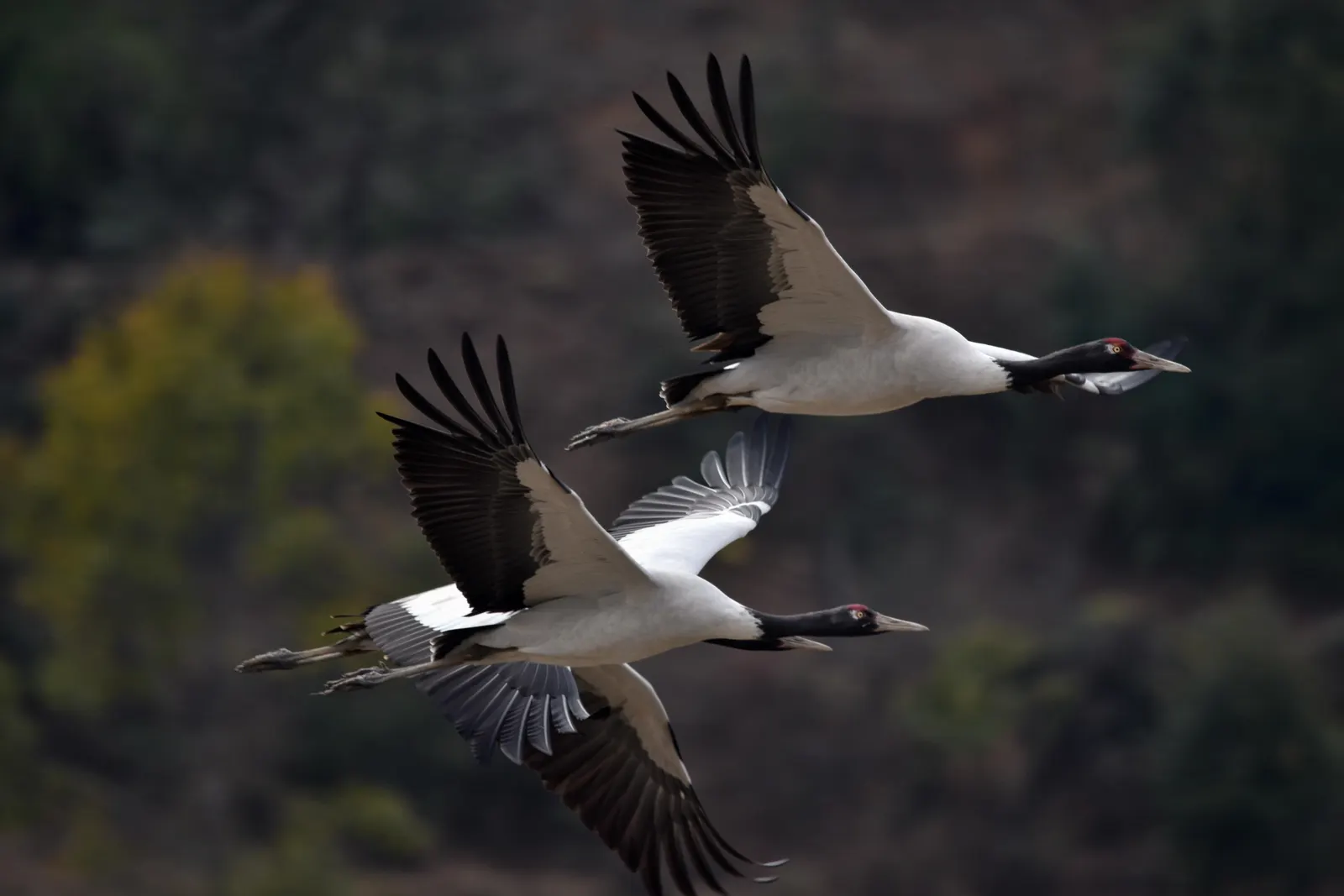
 Bird Watching 8 days
Cranes of Phobjikha
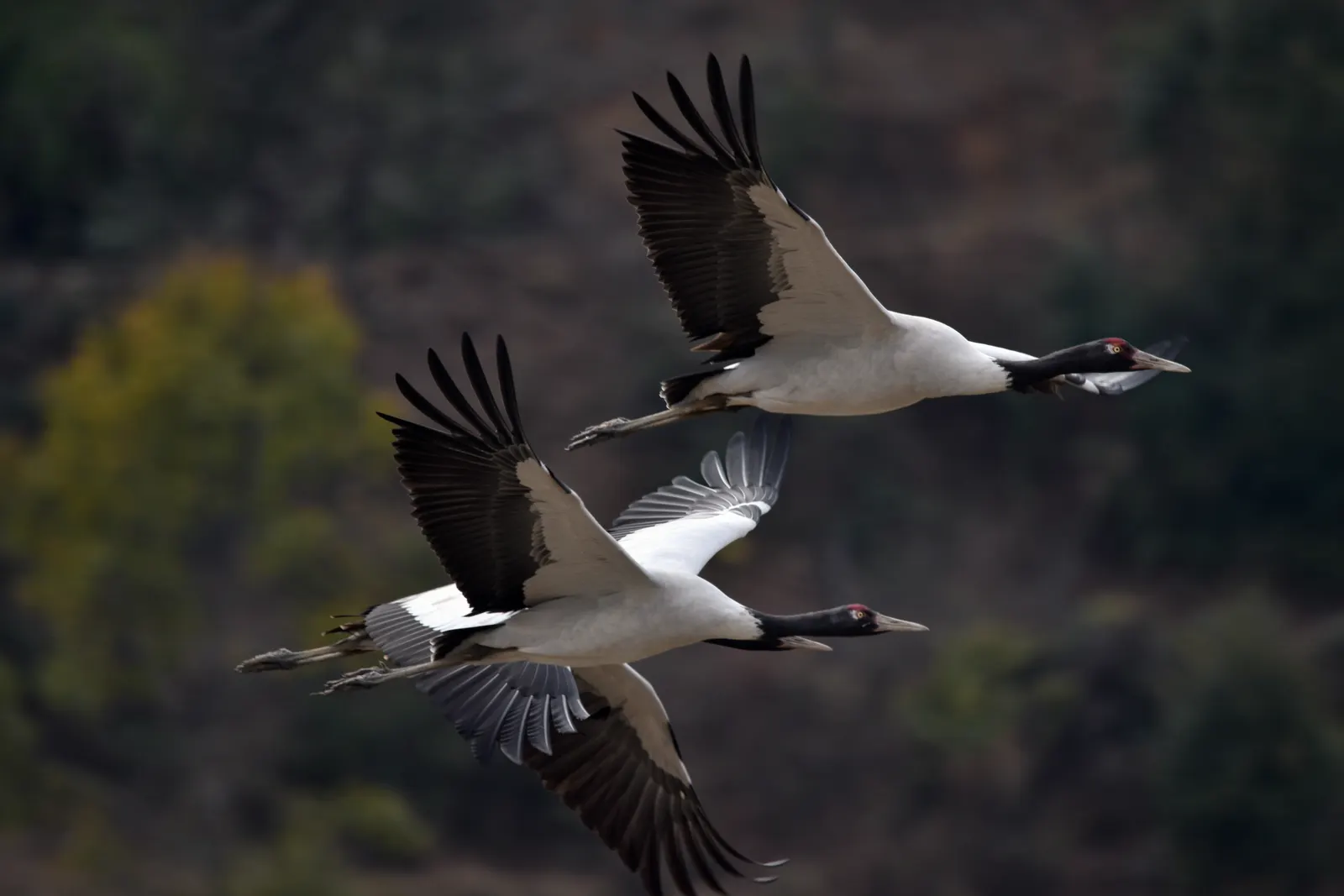
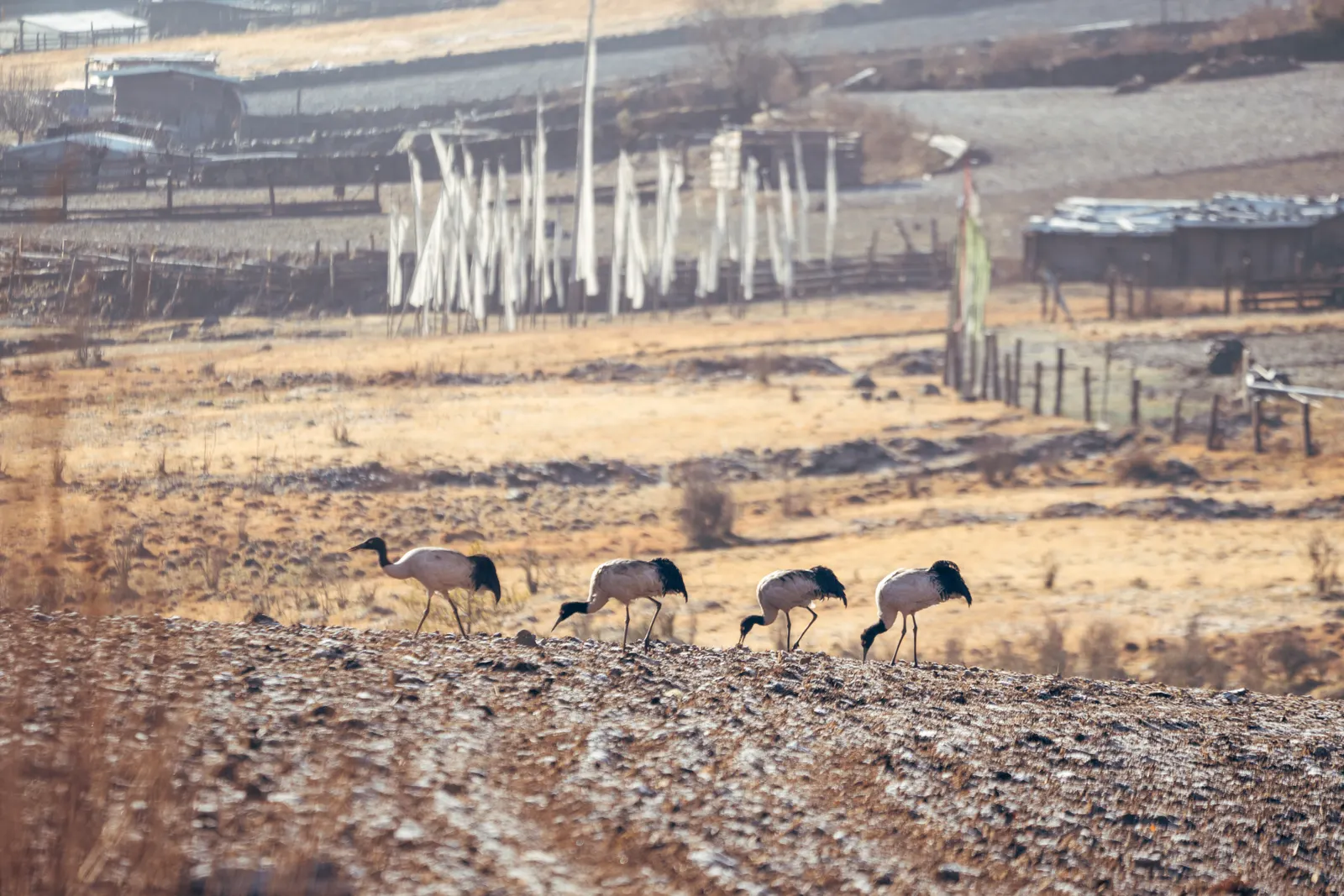
A winter journey timed for the black-necked cranes that fly in from the Tibetan Plateau to roost in the marshes of Phobjikha.
Request a QuoteView Details
Specialist birding journeys for nature enthusiasts and wildlife photographers through some of the best-preserved forests in the Himalaya.
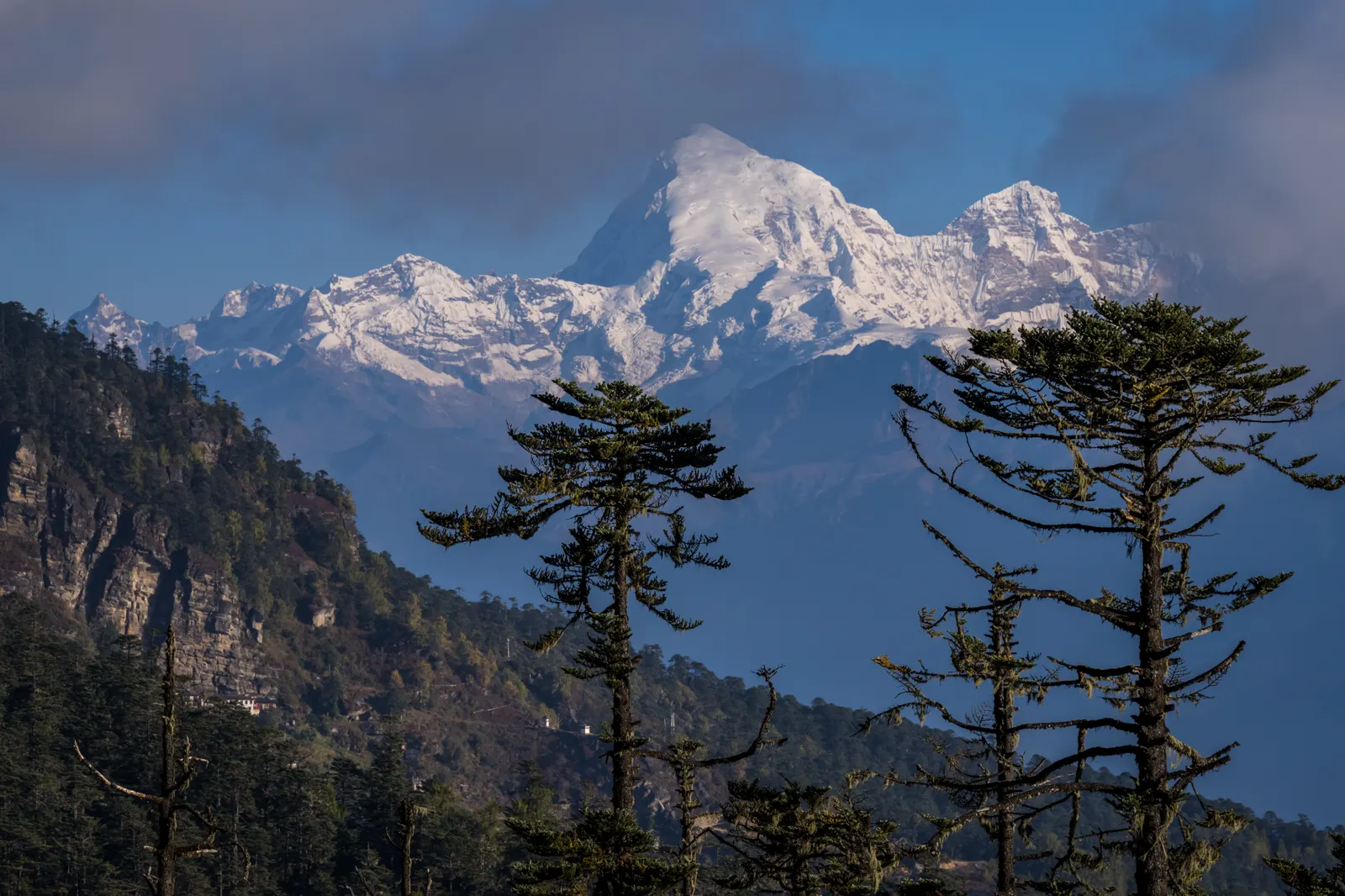
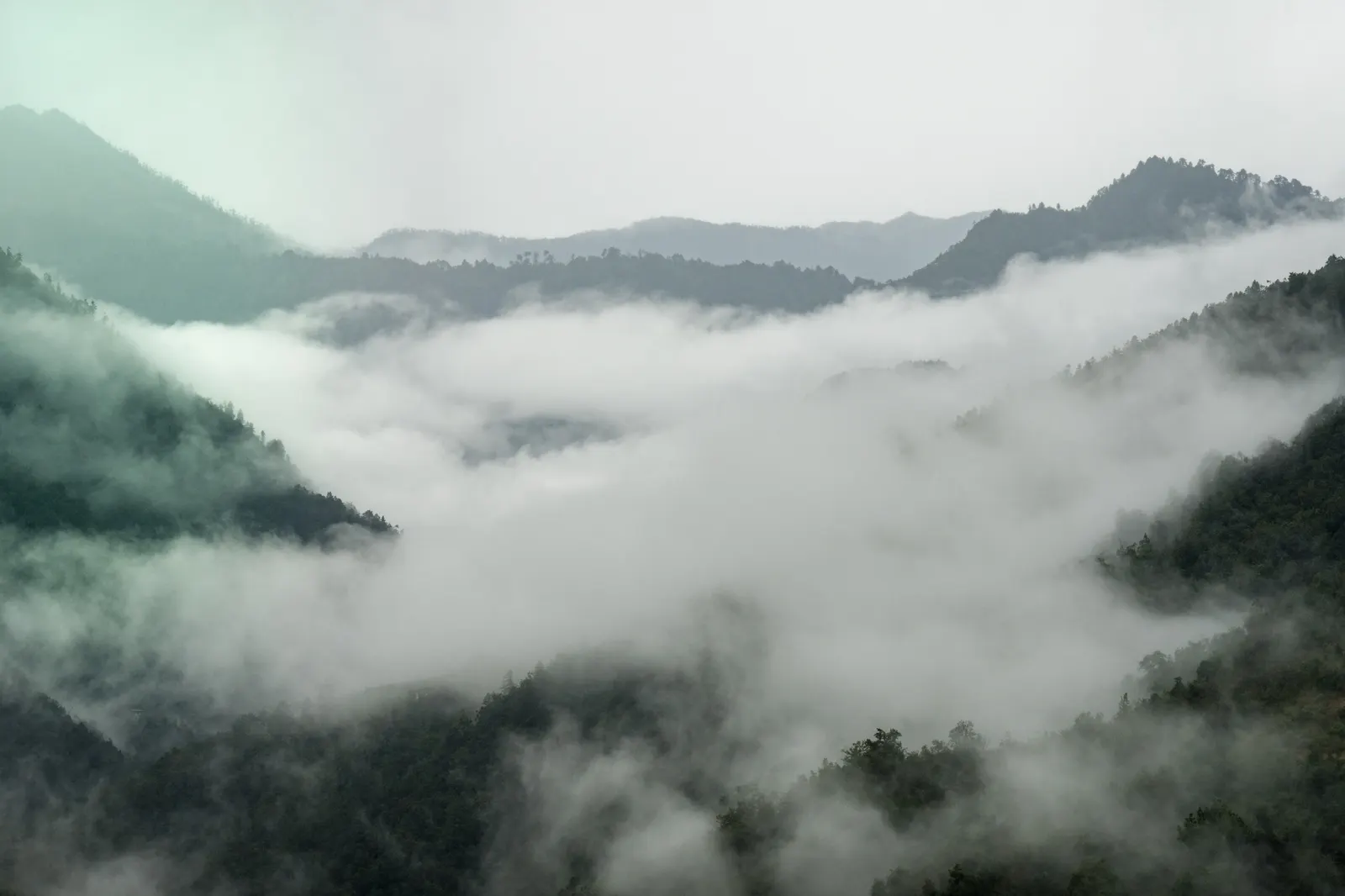
With forest covering around seventy per cent of the country and altitudes from 150 to over 7,000 metres, Bhutan holds more than 700 recorded bird species in an area the size of Switzerland — among them some of Asia’s rarest.
Bhutan rises from 150 metres to more than 7,000 in barely 170 kilometres, and around seventy per cent of it is still forest. More than 700 bird species have been recorded, including some of the rarest in Asia.
Sightings of wild birds can never be guaranteed; our guides choose sites and timings to give you the best chance.
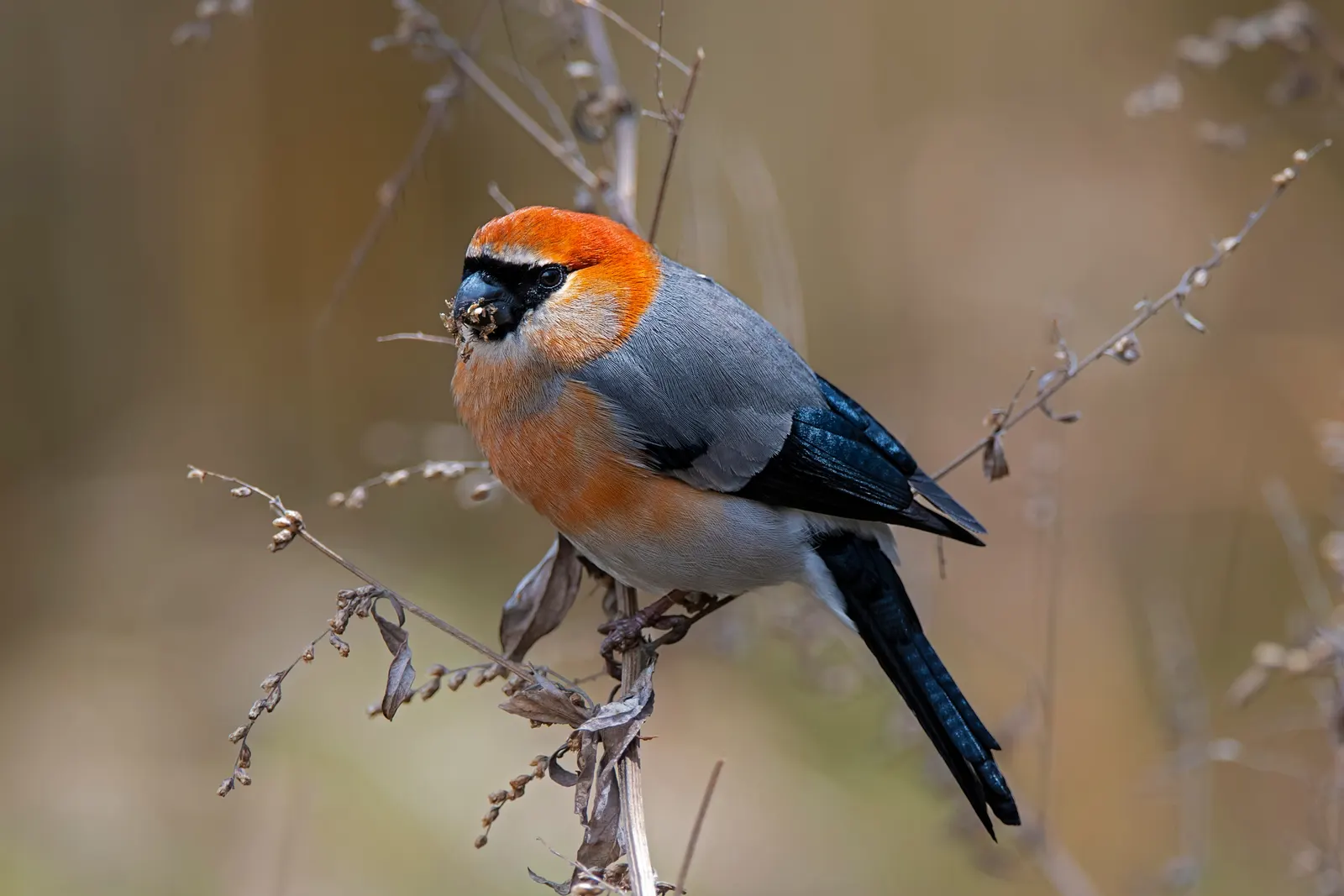
Altitude decides what you see. A good birding route moves through as many forest zones as the calendar allows.
Winter roost of the black-necked crane, from late October to mid February.
Conifer forest and high passes for monal, blood pheasant and tragopan.
River birding for white-bellied heron, ibisbill and Pallas’s fish eagle.
Gateway to the central forests; laughingthrushes, yuhinas and langurs.
Pristine broadleaf forest: rufous-necked hornbill and beautiful nuthatch.
Warm foothill forest alive with hornbills, trogons and golden langur.
Bhutan’s oldest park — subtropical species including great hornbill.
Pheasants at dawn, with the Himalaya behind them.
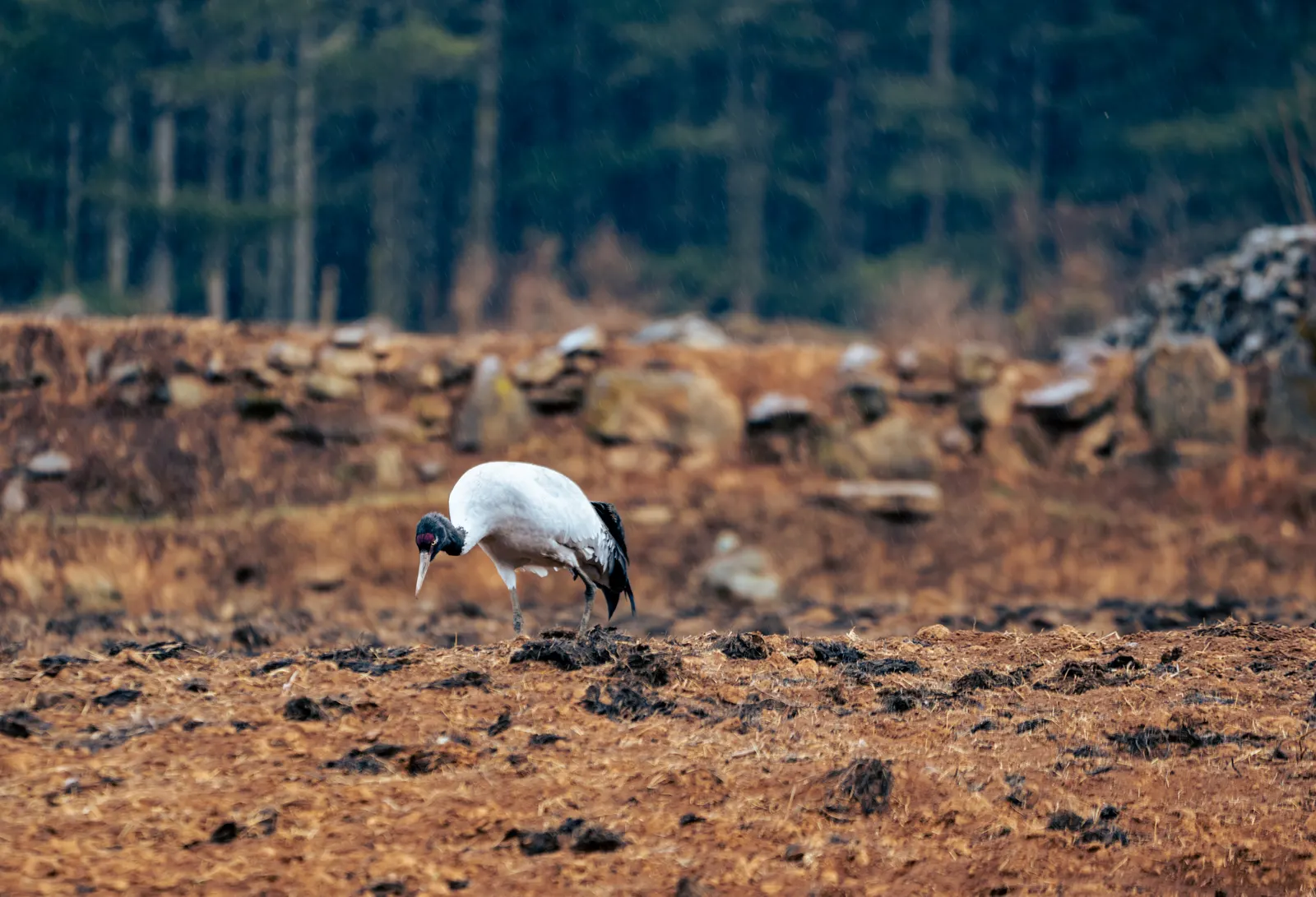
Spring (March to May) brings breeding plumage, song and migrants through the forests. Late autumn and winter belong to the cranes of Phobjikha and to the warm southern foothills.
Specialist birding guides with field experience across the country, a spotting scope and up-to-date site knowledge.
Routes and timings chosen for approachable subjects, clean backgrounds and good light, with hides where available.
Send us your target list. We will design the route, season and pace around the species you most want to see.
Each itinerary can be tailored to your dates, pace and interests.
Bird Watching 8 daysA winter journey timed for the black-necked cranes that fly in from the Tibetan Plateau to roost in the marshes of Phobjikha.
Bird Watching 13 daysBhutan’s finest birding road — from cool broadleaf forest to the subtropical foothills of Royal Manas National Park.
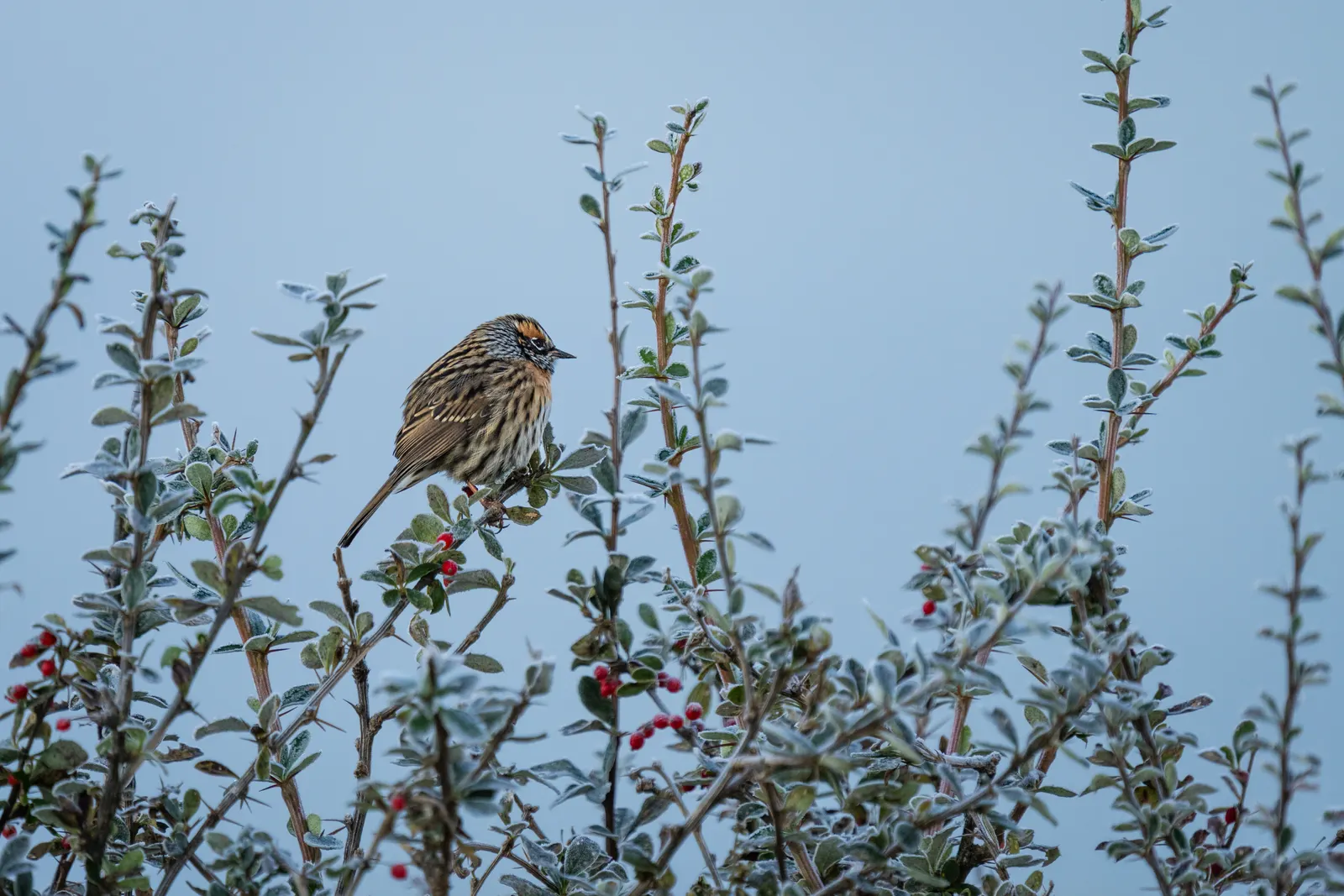 Bird Watching 7 days
A one-week introduction to Himalayan birding: pheasants on Chele La, forest birds on Dochula and river specialities in Punakha.
 Bird Watching 10 days
Spring on the high passes for Bhutan’s four great gamebirds — monal, blood pheasant, satyr tragopan and kalij.
 Bird Watching 14 days
The legendary birding road through Thrumshing La National Park, descending 3,000 metres of unbroken forest in a single day’s drive.
 Bird Watching Flexible
Send us your target species and the time you have. We design the route, season and pace for individuals, clubs and tour leaders.
Tell us your dates, group size and what you most want to experience. We reply personally, usually within one working day.