From the crane roosts of Phobjikha to the hornbill forests of Zhemgang and Royal Manas — where to go, and when.
Bhutan sits where the Himalaya meets the Indian plains, and its forests are largely intact. More than 700 bird species have been recorded.
Phobjikha Valley
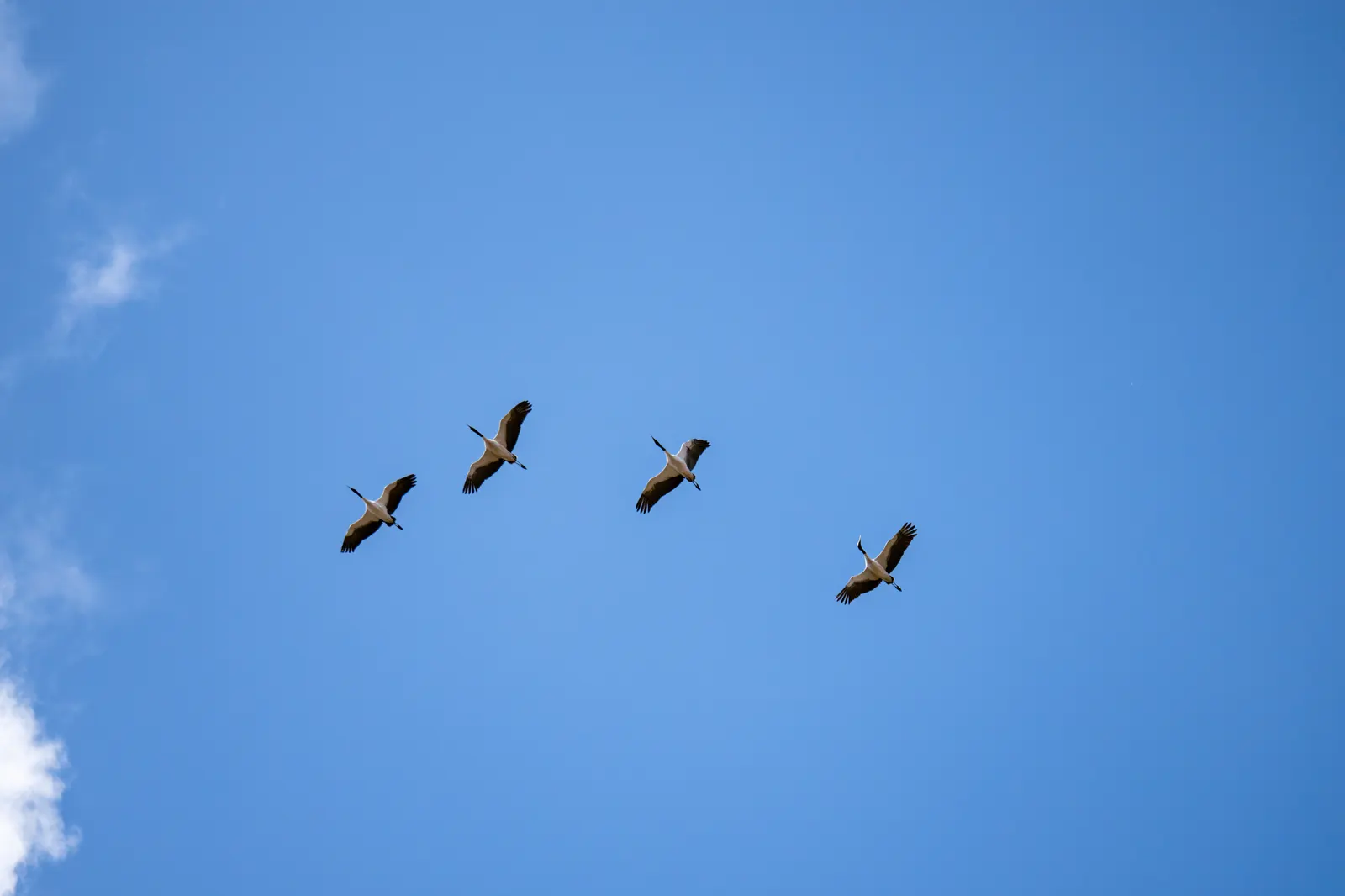
The winter home of the black-necked crane, from late October to mid February. The valley celebrates their return with a festival at Gangtey Monastery each November.
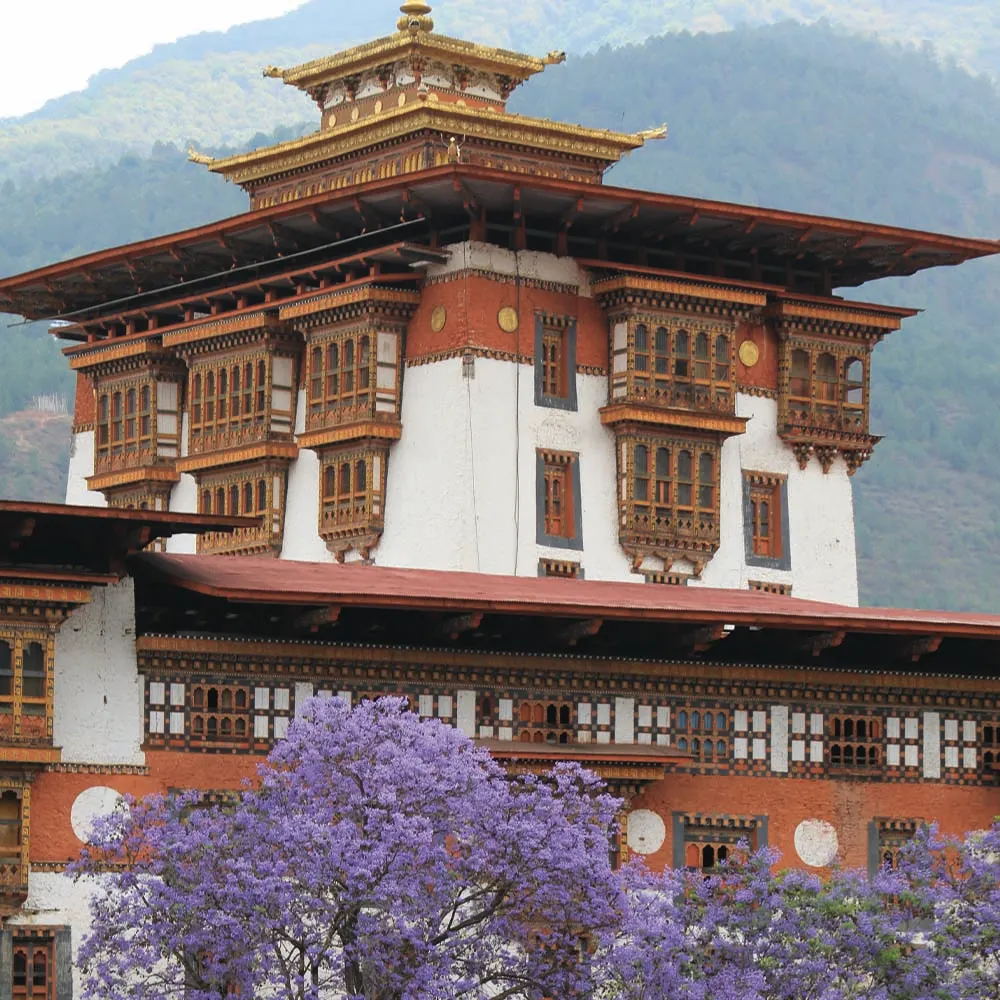
Punakha
The Pho Chhu and Mo Chhu rivers are the best-known site for the critically endangered white-bellied heron, along with ibisbill and Pallas’s fish eagle.
Trongsa, Zhemgang and Tingtibi
The road south from Trongsa is the classic route for rufous-necked hornbill, beautiful nuthatch and Ward’s trogon — and for the golden langur.
Royal Manas National Park
Subtropical forest on the Indian border with great hornbill and a long list of lowland species.
Bumthang and the high passes
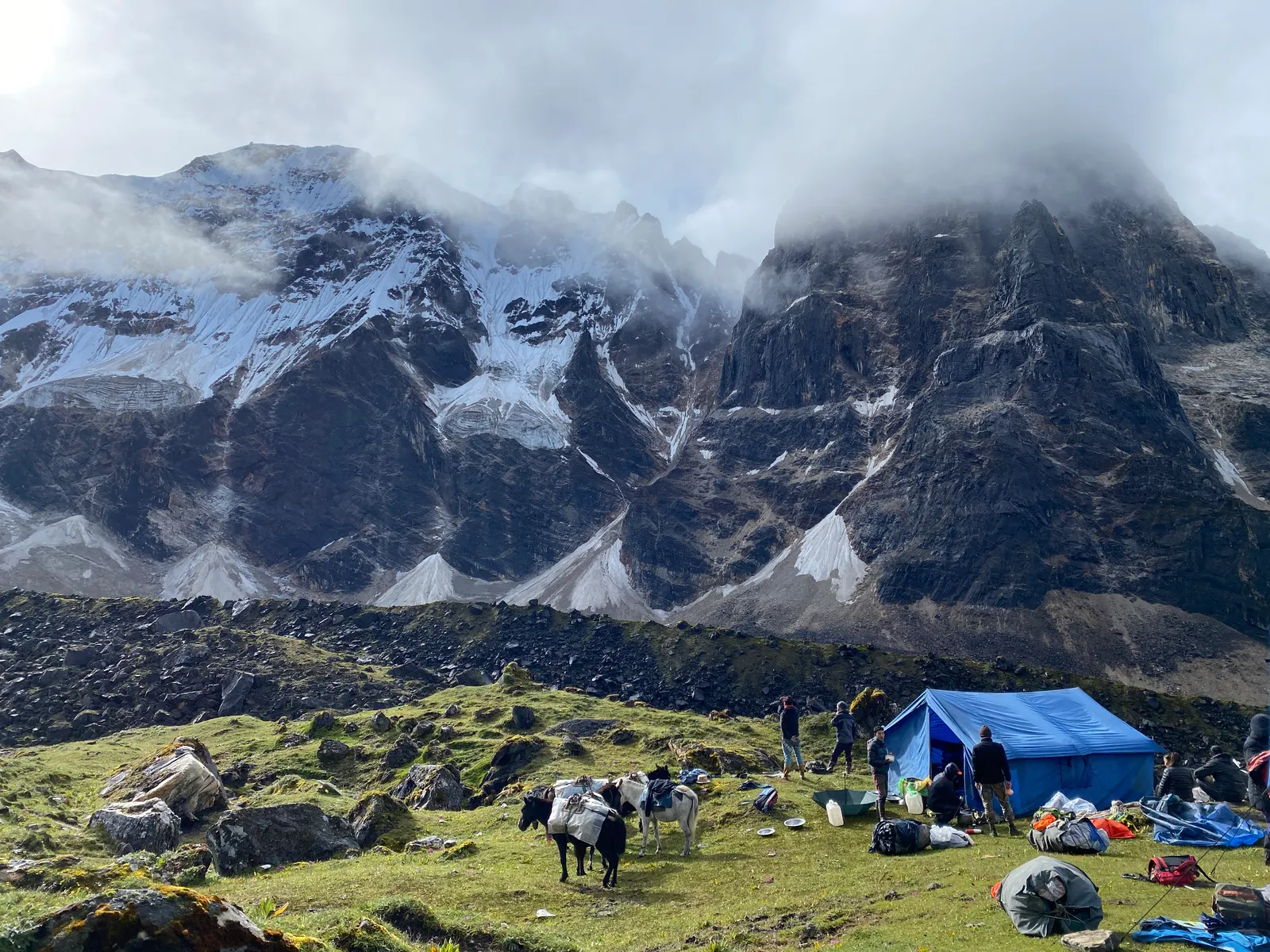
Pele La, Yotong La and Thrumshing La are good for Himalayan monal, blood pheasant and satyr tragopan in spring.
Details such as fees, flight schedules and festival dates change from time to time. Contact our team for the latest information before you plan.